

Why Politics Feels So Personal Right Now
Have you ever found yourself doom-scrolling long after you meant to put your phone down?

Maybe you've noticed your heart rate
rise when a news alert pops up. Maybe political conversations with family members have become minefields. Maybe you find yourself lying awake at night worrying about the future of the country, your community, or the people you love.
If so, you're not alone.
In fact, recent surveys suggest that concern about the future of the United States is one of the most common sources of stress among Americans today. People across the political spectrum are reporting increased anxiety, frustration, fear, anger, and exhaustion.
As therapists, we're seeing and feeling it too.
Political Anxiety Is Real
Political anxiety isn't a formal mental health diagnosis, but it is a very real experience.
Political anxiety happens when concerns about elections, public policies, cultural change, social injustice, economic uncertainty, or global events begin to create ongoing emotional distress. For some people, this looks like constant worry. For others, it shows up as irritability, hopelessness, trouble sleeping, difficulty concentrating, or feeling emotionally overwhelmed.
What's important to understand is that your nervous system doesn't always distinguish between threats happening directly in front of you and threats you encounter through a screen.
If your phone delivers a steady stream of stories about conflict, violence, discrimination, economic instability, climate disasters, or political turmoil, your body may begin responding as though danger is constantly nearby.
We Weren't Designed for 24-Hour Exposure
For most of human history, people lived within relatively small communities. Their daily concerns were largely limited to what was happening in their families, neighborhoods, and local environments.
Today, we carry the world in our pockets.
Within a few minutes of opening social media, you might learn about a war on another continent, a controversial policy proposal, a natural disaster, a celebrity scandal, and a heated political argument among strangers.

The human brain evolved to pay attention to threats. Unfortunately, modern technology provides an endless supply of them.
This doesn't mean staying informed is wrong. It simply means that our minds and bodies were never designed to process an unlimited amount of distressing information every day.
Why It Feels So Exhausting
Many people assume their distress is a sign that something is wrong with them.
Often, the opposite is true.
The anxiety, sadness, anger, or grief you feel may be evidence that you care deeply about your values, your family, your community, and the future.
The challenge arises when those emotions become so overwhelming that they begin to dominate your life.
You may find yourself caught in cycles of:
Constant news checking
Endless social media scrolling
Replaying political arguments
Catastrophic thinking about the future
Feeling helpless or powerless to make a difference
When this happens, anxiety can begin to consume energy that could otherwise be directed toward meaningful action.
A Different Approach
One of the approaches we often use in therapy is called Acceptance and Commitment Therapy (ACT).
Rather than trying to eliminate difficult emotions, ACT helps people develop a healthier relationship with them.
The goal isn't to stop caring. The goal is to care without becoming consumed.
ACT invites us to:
Notice our thoughts without automatically believing every frightening prediction.
Make room for difficult emotions without letting them dictate our actions.
Stay grounded in the present moment.
Clarify what truly matters to us.
Take meaningful action that reflects our values.
In other words, we learn how to stay engaged without becoming overwhelmed.
You Don't Have to Carry the Whole World
One of the hardest realities of modern life is that we are exposed to far more suffering than any one person can solve.

But carrying the weight of the entire world was never your job.
Your job is to live your values in the places where you actually have influence: your family, your friendships, your work, your community, and the causes that matter most to you.
When we shift our focus from controlling everything to living intentionally, something important happens.
We begin to reclaim our agency.
If Political Anxiety Is Affecting Your Life
If political stress is leaving you feeling exhausted, hopeless, disconnected, or overwhelmed, therapy can help.
At Tapestries Counseling Center, we work with people from diverse backgrounds, identities, and political perspectives. Our goal isn't to tell you what to think. Our goal is to help you stay grounded, connected to your values, and emotionally healthy in a world that often feels anything but calm.
Because even in seasons of uncertainty, it is possible to weave together a life marked by meaning, connection, and hope.
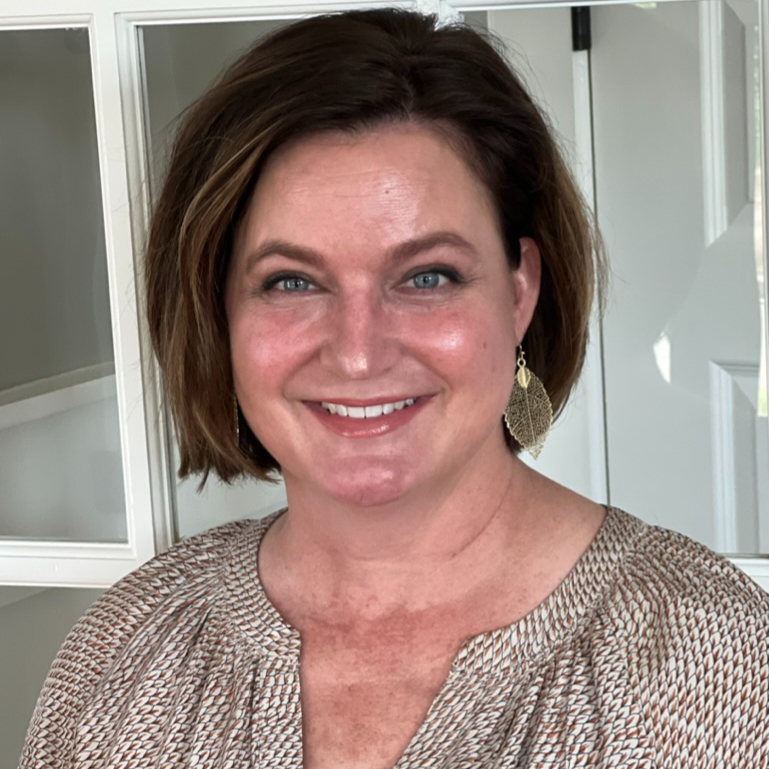
Kimberly Dillard (M.Ed., M.Div.) is an integrative, trauma-informed counselor who supports individuals and couples through anxiety, depression, trauma, and life transitions. Blending psychology and spirituality, she utilizes evidence-based practices like EMDR, IFS, and Imago Relationship Therapy. Kimberly provides a compassionate space to help clients turn life's challenges into opportunities for healing, authenticity, and hope.


Comments